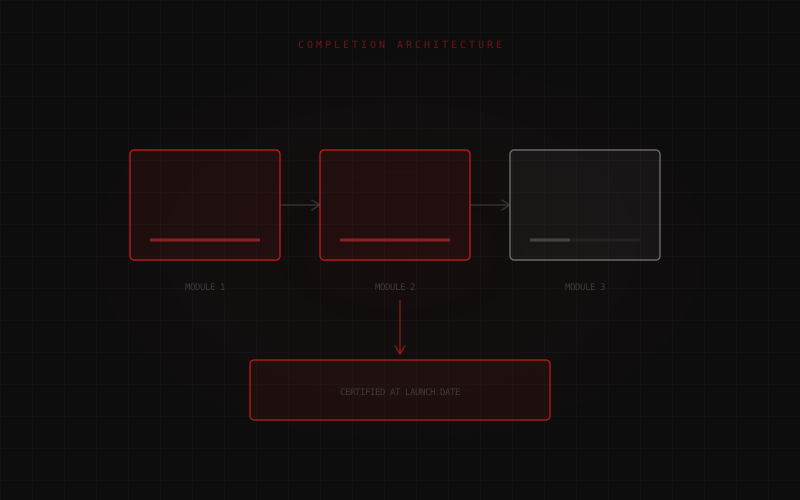
Pharmaceutical LMS procurement is typically driven by compliance requirements, IT security standards, and vendor due diligence, all of which evaluate the platform's technical capabilities rather than its suitability for the specific training content, the field force population, and the compliance audit requirements the organisation must meet. The platform is implemented, the mandatory training is loaded, and completion rates are tracked. What the tracking does not reveal is whether completions represent genuine knowledge transfer or whether field representatives are navigating modules as quickly as the platform allows to generate the completion record required before their next performance review.
Compliance training in pharmaceutical organisations has regulatory weight that generic corporate training does not. An adverse event involving a product whose field representative training was nominal rather than substantive creates regulatory and commercial exposure that extends well beyond the training programme. The LMS implementation is not an IT project. It is a compliance risk management system, and the architecture, the content design, the assessment model, and the audit trail must be designed with that framing from the outset.
DAM Networks designs pharmaceutical LMS implementations where the compliance architecture, the content design, and the field force adoption programme are treated as equally important components, not as phases that follow the platform implementation.