
Corporate Events
Annual sales meetings, leadership summits, employee engagement programs, and award ceremonies designed from the business objective backward not from a venue brief.
Corporate Events ManagementEVENTS & EXPERIENCES
DAM Networks provides enterprise events management as a strategic business program, not a production service. Every decision is made against a defined commercial objective, not a production schedule.
THE PROBLEM
Events sit in an uncomfortable position inside most enterprise budgets. The spend is visible and significant. The return is treated as qualitative: brand awareness, team morale, stakeholder relationships. This is not a failure of event execution. It is a failure of event design. When the primary success metric for a national sales meeting is delegate satisfaction scores, the program is designed to produce satisfied delegates, not a commercially activated sales force.
The organizations that get the most from their event investment answer three questions before a venue is selected. What commercial state change does this event need to produce? Who leaves with a different disposition toward the organization, and why? What happens in the thirty days after the event to convert that disposition into revenue, adoption, or pipeline? Without those answers, the event is already designed to underperform.
WHAT EVENTS CAN DELIVER
When events are designed as business programs rather than production projects, the outcomes are in a different category from what most organizations experience.
A well-designed conference, product launch, or trade exhibition creates a structured environment for qualified commercial conversations. When the delegate journey is built around those conversations and the follow-up architecture is designed before the event opens, pipeline conversion rates from events are measurable and repeatable.
Events create a density of interaction that digital channels cannot replicate. Account-based engagement tracks at conferences, hosted dinner programs at trade shows, and VIP briefing formats at product launches all convert presence into relationship progression when designed intentionally.
The organizations that lead their categories consistently show up at the right events with the right intellectual content, the right speakers, and the right experience quality. Events that communicate a credible, distinctive point of view build category authority in ways that advertising does not.
For pharma companies rolling out new therapies, manufacturers launching new dealer programs, or software organizations releasing major platform updates, events are frequently the fastest route to adoption behavior change. A national sales meeting that is designed as a launch activation, not a town hall, can compress field adoption timelines by weeks.
Leadership summits and national sales meetings designed around commercial clarity, not entertainment, produce organizational alignment that holds for quarters. When the content architecture is built around the commercial problem the organization needs to solve, the event produces a shared orientation toward action.
CAPABILITIES
Annual sales meetings, leadership summits, employee engagement programs, and award ceremonies designed from the business objective backward not from a venue brief.
Corporate Events Management
Conferences designed around the relationship and commercial outcomes the organization needs delegate journey, speaker strategy, content programming, and post-conference follow-through.
Conference Management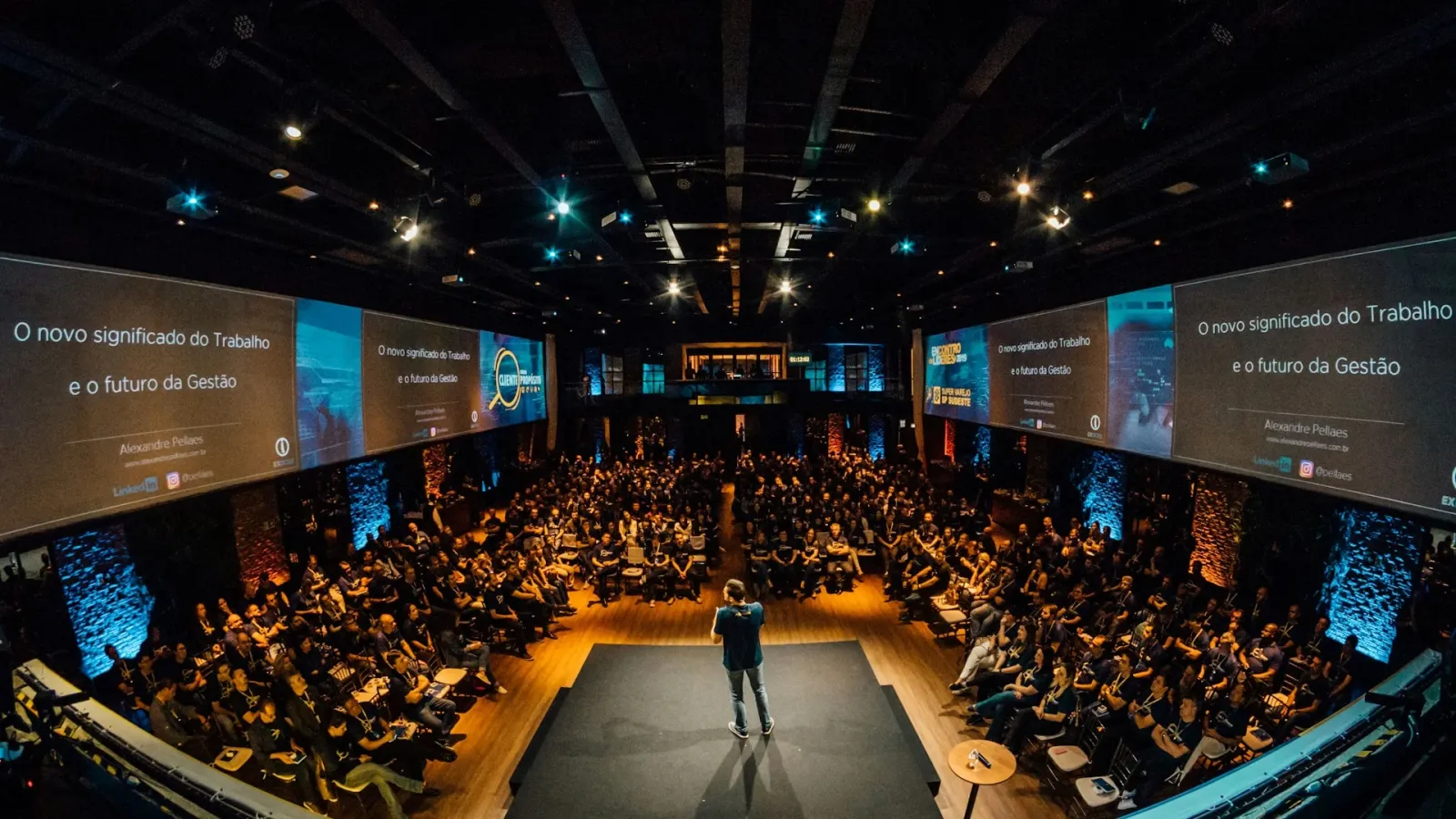
Exhibition programs designed from the commercial conversation back qualified meetings, pipeline generation, commercial conversation architecture, and post-show follow-through.
Exhibition Management
Product launches, brand activations, experiential programs, and roadshows designed around the commercial argument the organization needs to make and the behavior the program needs to produce.
Brand Activations
Virtual and hybrid programs with the same commercial discipline applied to physical events extending reach, reducing cost per attendee, and creating data infrastructure physical events cannot match.
Virtual and Hybrid EventsEXPLORE BY SERVICE
PHARMA SPECIALIZATION
Medical conference management is not a subset of general conference delivery. It is a distinct discipline that operates within a compliance architecture most event organizations are not built to navigate, and it serves a commercial objective that most event organizations are not structured to design for.
Pharmaceutical events operate within a compliance framework governing speaker remuneration, HCP expense management, content review, post-event documentation, and cross-border regulatory variation. DAM builds compliance into the program design at the brief stage so the commercial program is compliant by design, not compliant after revision.
Different HCP segments arrive with different knowledge states, practice contexts, and commercial relationships with the sponsoring organization. DAM designs HCP engagement programs segmented by relationship state and clinical specialty, with content architecture, breakout formats, and networking structures that serve each segment's specific needs.
Speaker selection for a medical conference is a commercial and scientific decision with compliance implications, not a booking exercise. DAM manages speaker bureaus as strategic assets: selection criteria based on scientific profile and prescribing influence, with engagement terms meeting regulatory requirements across every market.
DAM designs delegate registration systems, on-site journey flows, hosted session formats, and networking structures as part of the commercial program design. The registration platform is a data-collection and segmentation instrument that informs everything from room assignment to post-event follow-up sequencing.
DAM designs post-event activation sequences in parallel with event content, so follow-up communications, digital content, and field force call guides are ready at program close. The post-event digital engagement sequence is designed by the same team that designed the conference experience, against the same objective.
For the full scope of DAM's pharma events and HCP engagement capability, visit Pharma and Healthcare.
The commercial objective session is the right starting point before the venue search.
ENGAGEMENT MODEL
The design process that separates a strategically effective event from a well-produced one begins with a different set of questions than most event briefs ask.
Before a venue search, a theme workshop, or a speaker wishlist, DAM conducts a structured objective-setting session with the decision-making team. The output is a written commercial brief that governs every subsequent design decision.
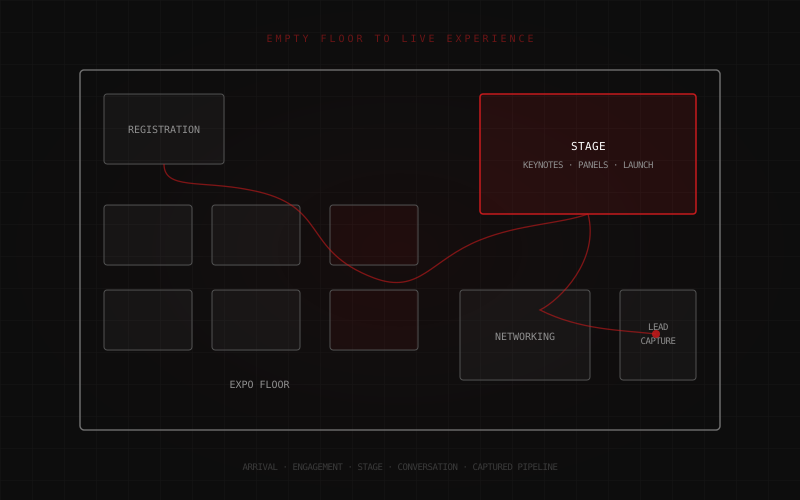
Once that objective is defined, DAM's event design team works backward to build the experience architecture: delegate journey, content sequence, networking formats, and physical or digital environment.
DAM delivers all dimensions of an event program within one engagement model. Creative, production, technology, speaker management, and delegate management are managed by one team against one agreed outcome.
At program close, DAM conducts a structured outcomes review against the commercial brief agreed at the start of the engagement pipeline generated, NPS among target segments, adoption rate changes, HCP engagement rates.
Our broader digital transformation and growth marketing capabilities integrate with events delivery where programs require technology infrastructure, digital engagement, or marketing pipeline support.
INDUSTRIES SERVED

Trade exhibitions and dealer network events commercial conversations structured to move consideration to intent, product demonstrations built around buyer decision questions, and follow-up sequences that sustain momentum after the show floor closes.
Manufacturing practice
Investor days, product launch conferences, advisor briefings, and client appreciation events technical credibility and institutional trust maintained in every format choice.
Financial Services practice
Project launch events and channel partner programs the right buyer and broker audience in the room, a presentation program that addresses purchase objection, and a follow-up process that converts event interest into registered bookings.
Real Estate practice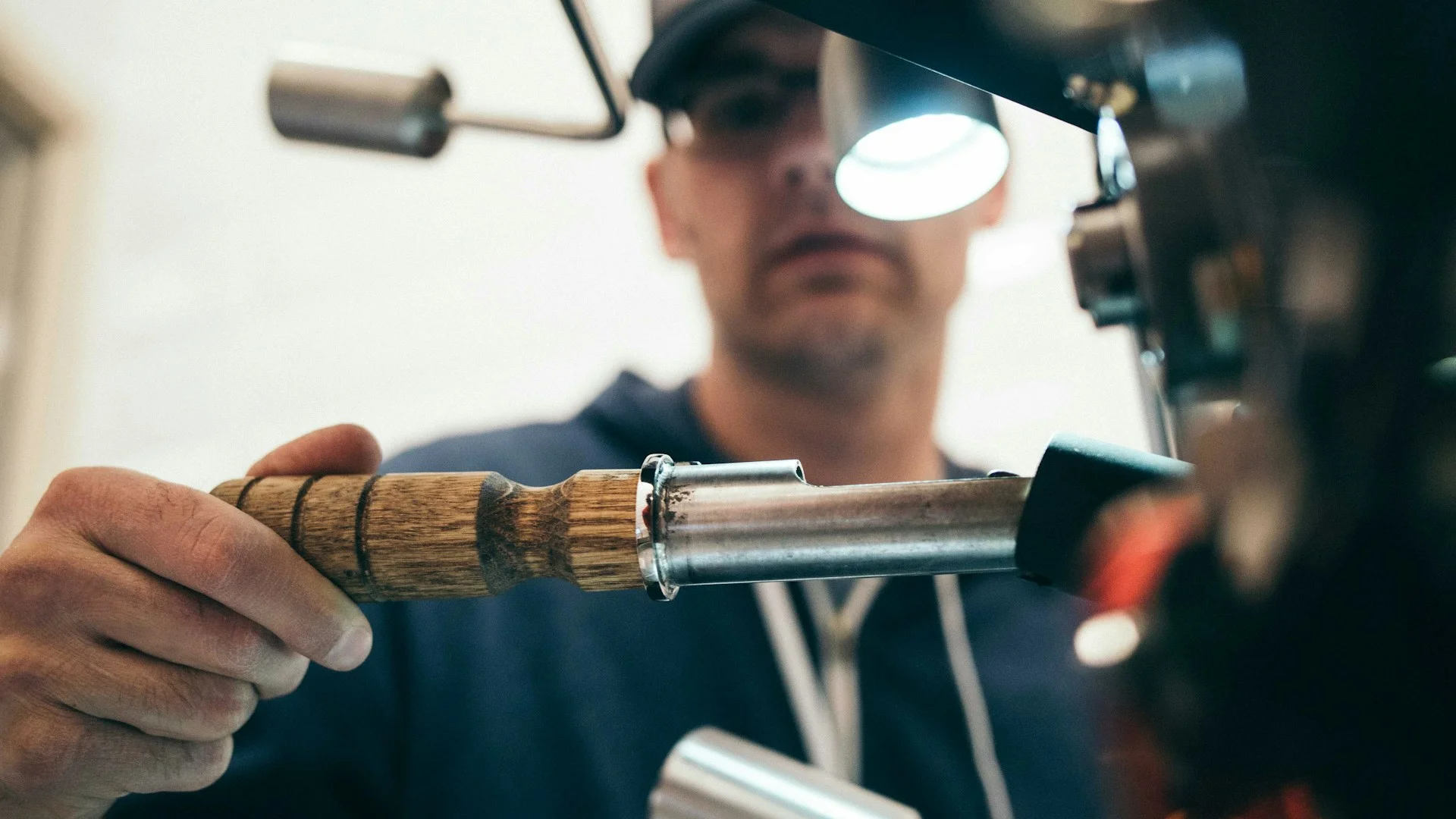
Brand activations and product launch events as commercial conversion instruments media coverage reaching the right audience, retail buyer commitments, and consumer trial converting into direct purchase.
Ecommerce and Retail practice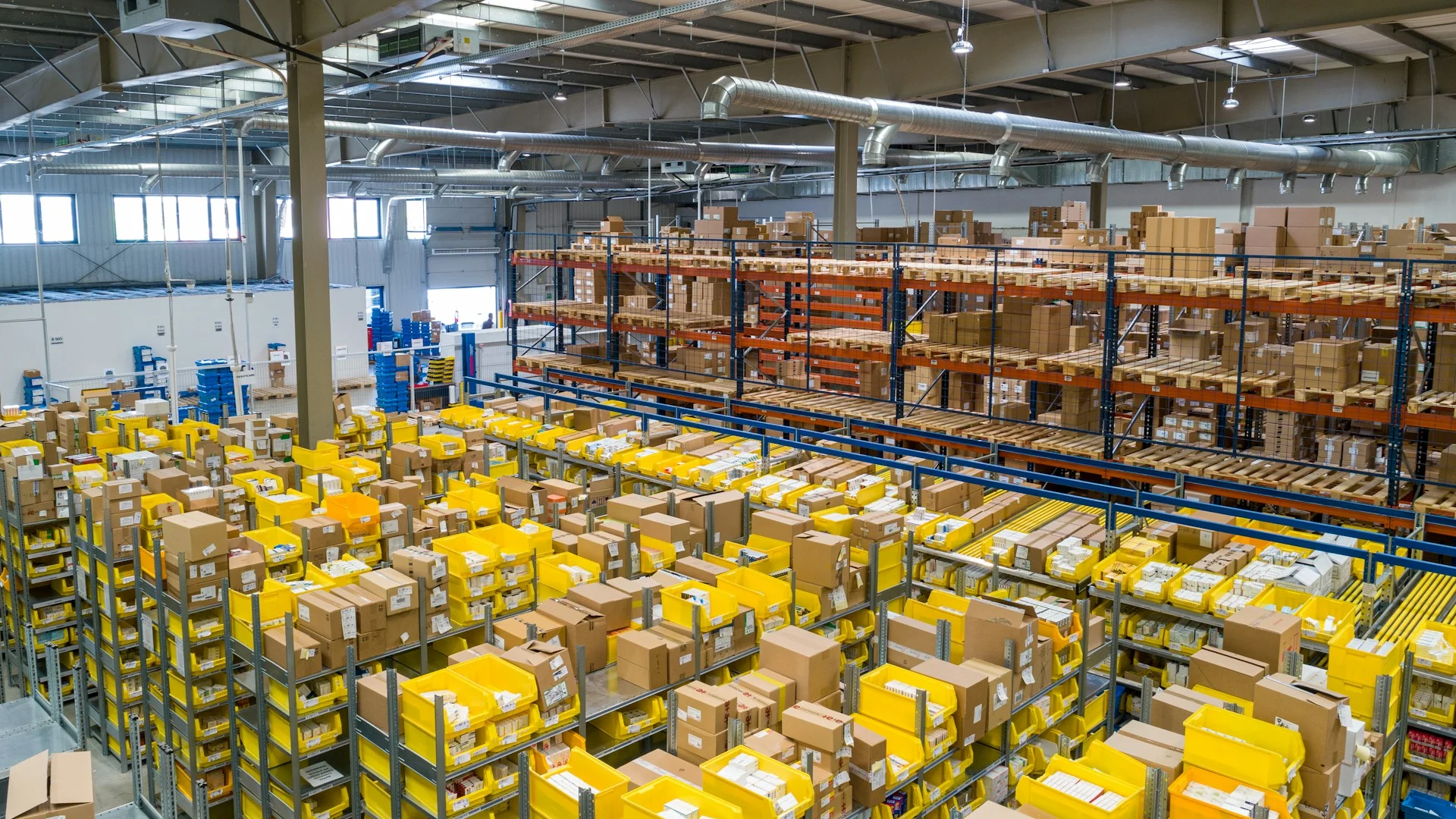
Industry conferences and trade exhibitions a booth and briefing environment demonstrating operational and technology capability, a hosted meeting program for target accounts, and follow-through converting event interactions into proposal conversations.
Logistics practice
Conference programs and product launch events designed around the proof moment the specific experience that moves a learning leader or institutional buyer from consideration to commitment.
Education and Learning practiceCOMMERCIAL OUTCOMES
31%
Higher field activation rate in the subsequent quarter following a redesigned pharmaceutical national sales meeting. Content architecture rebuilt around therapy adoption barriers, breakout formats producing territory-level commitments, post-event CRM activation sequence deployed the week after close.
Read case studies78%
HCP conference attendance conversion rate, up from 51% the prior year. Achieved through redesigned invitation program, pre-conference engagement sequence, delegate registration experience, and scientific program positioning. Post-event survey showed 44-point improvement in program relevance scores among attending KOLs.
Read case studies2.4x
Pipeline return against prior year at the same trade show, from 19% fewer booth interactions. Commercial conversation architecture redesigned around buyer decision questions. Hosted meeting program for pre-qualified accounts. Follow-up sequence with mapped objection handling content.
Read case studies62%
Of attending decision-makers moved to formal trial commitment within 30 days of a life sciences product launch event. Program structured around clinical evidence, procurement case, and implementation support model with hosted sessions where procurement and clinical leads worked through adoption questions in a facilitated environment.
Read case studiesFAQ
A well-produced event meets its logistical and experiential standards: the venue is suitable, the AV works, the catering is adequate, and delegates leave satisfied. A strategically designed event begins with a defined commercial objective and is built to produce a specific business outcome, whether that is pipeline generated, adoption accelerated, or relationships advanced by a measurable degree. Both require good production. Only one requires business program design. The commercial returns from the two approaches are not in the same range.
Before the program begins, we agree on the specific business metrics the event will be evaluated against: pipeline generated from delegate interactions in the thirty to sixty days following the event, HCP engagement rates in the post-event digital sequence, adoption rate changes among the target audience, attendance conversion rate among invited delegates, NPS among high-value segments, or cost per qualified meeting generated at an exhibition. These become the program's success metrics, and we report against them at close. Delegate satisfaction scores are supplementary, not primary.
Yes. Our medical conference and pharma events practice has specific experience managing multi-market programs where regulatory requirements vary by country, covering speaker remuneration frameworks, HCP expense standards, content approval requirements, and post-event reporting obligations. For multi-market corporate events, our delivery model spans venue sourcing, local execution partners, and program governance across geographies without creating the context gaps that occur when separate country-level agencies manage disconnected program elements.
The difference is in program design, not just operational delivery. A general conference management company produces a compliant and well-organized event. DAM designs the HCP engagement program, the speaker bureau strategy, the delegate segmentation architecture, the post-event follow-through sequence, and the compliance documentation framework as a connected commercial program. The operational delivery is built on top of that design, not instead of it.
We work with organizations where the event investment is significant enough to warrant strategic program design, which typically means enterprises with 500 or more employees, pharma companies running medical education programs with regulatory obligations, or organizations where a single event carries meaningful commercial consequences. We do not operate as a volume event production business. Each engagement is designed specifically for the outcome the client needs the event to produce.
The earlier the engagement, the more commercial value the design process can produce. For a medical conference or national sales meeting, engaging six to eight months before the event date allows for proper objective definition, content architecture, speaker bureau development, and delegate engagement planning. For trade exhibitions, three to four months is workable for the stand design and commercial conversation architecture. For product launches where the event is the primary commercial activation vehicle, nine to twelve months ahead is often appropriate.
DAM delivers both. Our event registration and delegate management platform capabilities are designed as part of the commercial program architecture, not as a separate technology layer. The registration system is the data foundation for delegate segmentation, pre-event engagement, on-site journey management, and post-event follow-through sequencing. When it is designed in isolation from the commercial program, it functions as a ticketing tool. When it is integrated into the program design from the start, it is one of the most valuable commercial assets the event produces.
START THE CONVERSATION
DAM Networks works with VP Events, CMOs, Medical Affairs Directors, and National Sales Directors to design event programs where the outcome the event must produce is defined before the first vendor is briefed. If you are preparing for a medical conference, a national sales meeting, a major trade exhibition, or a product launch, the right starting point is a conversation about what the event needs to produce commercially.