
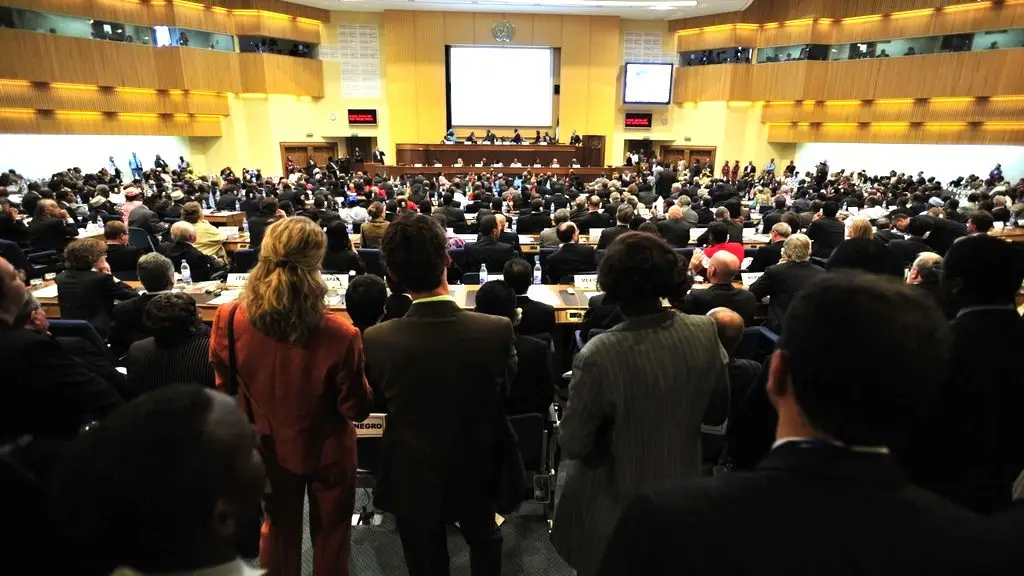
Conference Management
Conferences Designed to Return Commercial Value, Not Just Well-Run Programs
Organizations routinely spend between two and five percent of their annual marketing budget on a single conference and measure its success by how many people attended and whether they left satisfied. The commercial objective is tracked in a separate conversation, if at all. The investment closes. The measurement does not connect.
The Problem
The Gap Between Conference Investment and Commercial Return
This gap is not a measurement problem. It is a design problem. When a conference is briefed as an event to produce and measured on production quality, it is designed to produce a well-run event. The outcome the organization actually cares about gets no architectural weight in the program, no dedicated session design, no post-conference follow-through plan, and no measurement structure. The budget is fully spent. The commercial return is incidental.
A conference is the highest-density stakeholder interaction most organizations orchestrate in a year. Hundreds of relationships, concentrated in one venue, over forty-eight to seventy-two hours. That density of access is not available through any digital channel, any field force cadence, or any marketing campaign at comparable cost per interaction.
DAM Networks, a practice within Events and Experiences, designs conferences as commercial programs first. The agenda structure, delegate journey, speaker selection rationale, format choices, and post-conference follow-through are commercial decisions made in a commercial frame before a production brief is written.
What DAM Delivers
What Makes a Conference Commercially Productive
The commercial productivity of a conference is set before the first attendee registers. It is set in the choices made at program design: who is invited and why, what they experience and in what sequence, what formats are chosen for which conversations, and what happens to the relationship after they leave.
Agenda as Commercial Architecture
The order, length, and format of sessions are commercial decisions. DAM builds the agenda from a commercial map: which audience segment needs what interaction, at what point in the program, to move from their current relationship state to the one the conference is designed to produce.
Speaker Selection as Commercial Positioning
Speaker selection is a commercial and scientific decision before it is a logistics decision. The right speaker program builds the credibility of the therapy area, the product category, or the commercial narrative the organization is advancing.
Format Design for Each Objective
Different commercial objectives require different formats. Pipeline generation requires structured meeting programs. HCP relationship advancement requires peer-to-peer scientific discussion formats. Organizational alignment requires interactive formats that produce commitment to specific actions.
Delegate Journey Architecture
Delegate management and event registration platforms are data instruments that enable segment-level journey design and post-conference follow-through sequencing. Designed well, the journey creates the conditions for the commercial outcome the organization needs.
CME Program Architecture
CME programs designed to produce attitude and behavior change in clinical practice produce prescribing relevance. DAM structures the scientific program so content design is governed by faculty, separated in process and documentation from the commercial program, while addressing the knowledge gaps that are relevant to the therapy area.
Post-Conference Follow-Through
DAM designs post-conference follow-through in parallel with the event program, so that communications, content, field force call guides, and digital engagement sequences are ready to deploy at program close. The follow-through is not a separate project. It is the second half of the commercial program.
Ready to discuss your next conference?
Talk to Our TeamHow We Work
How DAM Designs and Delivers Conferences
Commercial Objective Before Program Brief
Before a theme is workshopped or a venue is searched, DAM conducts a structured objective-setting session with the decision-makers accountable for the conference outcomes. The output is a written commercial brief: the specific relationship and business state changes the conference must produce, the audience segments it must serve, the metrics it will be evaluated against, and the post-conference activation plan it must connect to.
Program Architecture From the Objective Backward
Once that brief is written, the program design team works backward to the conference architecture. Delegate journey mapping, agenda sequencing, speaker selection criteria, session format design, networking structure, and exhibition or satellite program integration are all designed against the brief. The run sheet is the final document produced in this process, not the starting point.
Integrated Production and Logistics
DAM delivers conference production, speaker management, delegate management, venue contracting, technology integration, and on-site execution within one engagement model. There is no production vendor managing the event separate from the content team designing the program. The same brief governs both.
Post-Conference Commercial Program
Post-conference activation is a parallel workstream, not a follow-up project. The delegate data architecture, field force communication framework, digital follow-up sequence, and next-touchpoint plan are designed alongside the conference program. Our growth marketing practice integrates where post-conference digital programs require marketing pipeline support.
Conference Outcomes
Results From Commercially Designed Conference Programs
38%
Delegate-to-qualified-meeting conversion rate
A B2B technology organization had a prior-year rate of 19%. DAM redesigned the conference program with a hosted meeting program replacing open booth interactions, a facilitated session positioning product category perspective, and a follow-up sequence deployed within 48 hours of each meeting. Qualified meeting conversion reached 38 percent of delegates engaged.
See Our Case Studies91%
Post-conference CME completion rate
A specialty pharma company previously achieved completion rates in the low sixties with no post-event measurement of clinical attitude change. DAM redesigned the CME architecture with case-based discussion formats and an 8-week follow-up survey. 67% of participants documented a shift in their stated clinical approach to the target patient population.
See Our Case Studies47%
Increase in sales conversion rate, 60 days post-conference
A regional financial services organization's annual conference had produced positive satisfaction scores and flat subsequent-quarter performance for two years. DAM redesigned the program as a commercial activation conference with account-level action plans and a post-conference manager coaching cadence deployed weekly for six weeks.
See Our Case StudiesFAQ
Common Questions on Conference Program Design
The codes govern more than hospitality and honoraria. They determine which session formats are permissible in which contexts. A promotional symposium operates under different content and documentation requirements than an accredited CME program. Where a single conference includes both promotional and non-promotional programming, the agenda must be structured so that the two streams are clearly separated, independently documented, and accessible to delegates on a basis that is not linked to their commercial relationship with the sponsoring organization. In practice, this means agenda sequencing decisions, session title language, speaker briefing structures, and room assignment protocols are all shaped by the code requirements of the relevant market. Organizations that discover this at the content production stage face restructuring costs that DAM's programs avoid by designing the agenda within the compliance parameters from the brief.
Event quality measurement answers the question: was this well produced? Commercial return measurement answers the question: what changed as a result? The metrics are different at every stage. Pre-conference, the right measures are invite-to-registration conversion among target segments and delegate quality relative to the commercial brief. During the conference, the relevant measures are session attendance rates by segment, hosted meeting completion rates, and engagement rates in structured networking formats. Post-conference, the measures are follow-through action completion by the field force, HCP or partner engagement in the post-event digital sequence, and pipeline or prescribing movement among attending delegates in the 30 to 90 days following the event. None of these metrics require an NPS question. They require a measurement architecture designed before the conference opens.
Delegate data collected through conference registration, on-site journey tracking, session attendance logging, and post-event follow-up sequencing is governed by GDPR in European markets, DPDP Act requirements in India, and equivalent frameworks elsewhere. For HCP data specifically, some markets impose additional sensitivity classifications and processing restrictions. DAM builds the data governance architecture into the conference registration and delegate management program: consent management at registration, data purpose definitions aligned to the post-event follow-through plan, retention policies that meet regulatory requirements, and processing agreements with any third-party technology vendors used in the program. The delegate data your conference generates is a commercial asset. Its governance determines whether you can use it.
Program design investment, covering the commercial brief, delegate journey architecture, speaker preparation, post-conference activation design, and measurement framework, typically represents 12 to 18 percent of the total conference budget. That proportion determines whether the remaining budget produces a commercial return or a well-documented event. Medical conferences in regulated markets carry higher per-delegate program costs than corporate or industry conferences, reflecting the compliance architecture, CME accreditation requirements, and faculty management disciplines specific to the sector. DAM scopes conference programs against the commercial brief, not a standard price list. The right starting point is a conversation about what the conference needs to produce, not a line-item estimate.
KOL relationships are long-term commercial and scientific assets, and managing them well across a multi-year conference program requires more than a booking roster. DAM's speaker bureau management covers the full relationship lifecycle: initial identification based on independent clinical authority and prescribing influence, engagement terms developed to meet FMV requirements across each market, preparation programs that build the speaker's engagement with the scientific program across each conference cycle, and post-conference relationship maintenance that sustains the KOL's connection to the therapy area between events. Across a multi-year program, well-managed KOL relationships compound in commercial value: the speaker's authority grows, their peer network's familiarity with the therapy area deepens, and their engagement at each successive conference carries more credibility with the delegate audience.
The commercial case for hybrid is not reach for its own sake. It is the specific commercial value of extending the conference program to audience segments that the in-person format cannot economically include. A medical symposium that attracts 200 HCPs to an in-person venue reaches 200. A hybrid program that adds a structured virtual track can extend the same scientific program to a further 600 HCPs who would not travel to the event but will engage with a two-hour virtual program designed around the clinical content most relevant to their practice. The commercial measurement of that extension is the same as the in-person measurement: how many of those 600 HCPs engaged meaningfully, what follow-through did they receive, and what movement in clinical engagement or prescribing behavior is attributable to the program in the 60 to 90 days following the event? See virtual events for further detail on hybrid program design.
Start the Conversation
Design Your Next Conference as a Commercial Program
If a conference on your calendar this year carries meaningful commercial stakes, the question is not whether to produce it well. It is whether the program is designed to return the commercial value the investment requires. DAM works with Medical Affairs Directors, CMOs, National Sales Directors, and VP Events teams to write that brief and design the conference program around it.
Part of Events & Experiences DAM Networks' full-service events and conference practice.